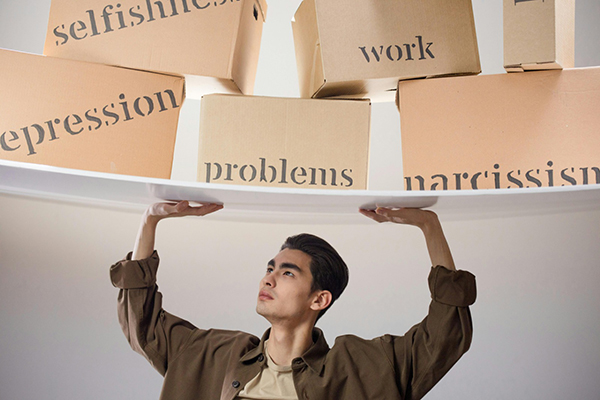
In today’s fast-changing work environment, resilience is no longer a “nice-to-have” trait—it is a core professional skill. Tight deadlines, changing roles, uncertainty, interpersonal challenges, and performance pressures are part of everyday work life. What differentiates individuals and organizations that thrive from those that struggle is resilience.
What Is Workplace Resilience?
Workplace resilience is the ability to adapt, recover, and grow in the face of stress, setbacks, change, or adversity at work. It does not mean ignoring problems or suppressing emotions. Instead, it means responding to challenges with clarity, emotional balance, and constructive action.
- A resilient employee:
- Manages stress effectively
- Recovers faster from setbacks
- Remains focused during uncertainty
- Learns from challenges rather than being defeated by them
Why Resilience Matters at Work
Organizations today operate in environments marked by volatility and constant change. Without resilience, stress can lead to burnout, disengagement, absenteeism, and reduced productivity.
Resilience helps by:
- Improving mental well-being and emotional regulation
- Enhancing problem-solving and decision-making
- Strengthening teamwork and communication
- Reducing burnout and employee turnover
- Resilient teams are not problem-free—but they are solution-focused.
- Common Workplace Challenges That Test Resilience
- Heavy workloads and unrealistic expectations
- Role ambiguity or frequent changes
- Workplace conflict or lack of support
- Performance pressure and fear of failure
- Balancing personal and professional responsibilities
- Resilience does not remove these challenges—it helps individuals navigate them without losing confidence or purpose.
How Individuals Can Build Resilience at Work
Develop Emotional Awareness
Recognize stress signals early—fatigue, irritability, lack of focus—and address them proactively.
Practice Adaptive Thinking
Shift from “This is impossible” to “What can I control or learn here?”
Strengthen Support Systems
Trusted colleagues, mentors, or listening spaces make a significant difference.
Set Healthy Boundaries
Resilience grows when people respect their energy, time, and limits.
Reflect and Learn
Every challenge carries lessons that strengthen future responses.
The Role of Organizations in Building Resilience
Resilience is not just an individual responsibility—it is also shaped by workplace culture.
Organizations can support resilience by:
Encouraging open conversations about stress and well-being
Training managers in empathetic leadership
Providing safe spaces for employees to be heard
Recognizing effort, not just outcomes
Promoting psychological safety and trust
When employees feel supported, they are more willing to adapt, collaborate, and innovate.
Resilience Is Not About Being Tough—It’s About Being Flexible
Resilient workplaces are not built on constant pressure or emotional suppression. They are built on awareness, empathy, adaptability, and support.
In a resilient workplace, people are allowed to be human—while still being effective.
Final Thought
Resilience is a skill that can be learned, strengthened, and sustained. When individuals and organizations invest in resilience, they don’t just survive challenges—they emerge stronger, wiser, and more connected.